![echo esc_url($site_logo['title']);](https://www.families-network.org/wp-content/uploads/2024/12/FAM-logo-reversed.png)
Break the Silence: Confronting Stigma and Protecting Rural Americans
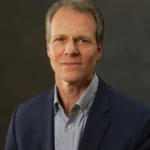

In October, I had the opportunity to present at the Mental Health America convention. I shared results from a survey about barriers to mental healthcare in rural America and the potential benefits of prescription digital therapeutics (PDT) for people in rural communities.
Mental Health America’s annual State of Mental Health in America report reveals that young people across the country are struggling more than ever. And according to the most recent research from the Centers for Disease Control and Prevention (CDC), youth ages 15 to 19 living in rural America are 74% more likely to die by suicide than their peers in urban or suburban areas. Nationally, nearly three million youth ages 12 to17 reported frequent thoughts of suicide. Furthermore, CDC data revealed that for young adults ages 18 to 27, the suicide rate increased nearly 20% between 2014 and 2024.
Despite this alarming change, access to mental healthcare remains out of reach for millions of Americans who need it. And even when people have access to care, they don’t always seek it out. Fear and shame are often associated with having a mental illness; and the stigma is greater in rural communities. Talking openly about mental health challenges is the most effective way to break down the stigma surrounding mental illness.
Jeff Winton founded Rural Minds following the suicide of his nephew, Brooks. Winton hopes that Rural Minds will help transform how rural communities understand, discuss, and address mental health, ultimately reducing suicide rates and providing hope and support to those who are struggling with mental health issues. As the executive director of Rural Minds, I am honored to be leading a team of professionals committed to developing content, resources, and opportunities to confront mental health challenges and the stigma that surrounds mental illness in rural communities.
The vision of Rural Minds is a future where there is no more stigma, silence, or suffering around mental illness in rural America. In support of that vision, Julie Lux, vice president of communications at Rural Minds, recently participated in a Families, Addiction & Mental Health Network’s webinar “From Stigma to Support: A Caregiver’s Role in Mental Health Care & Substance Use Recovery.” Julie represented the rural perspective, alongside recovery advocates and caregivers, for a powerful conversation about confronting stigma in mental health and addiction treatment.
Whether these conversations happen with strangers, peers, congressional representatives, or with your loved ones, staying informed and educating others can help us address stigma. This leads to people seeking the support and treatment they need to improve their mental health.
The work isn’t easy, but it matters deeply. The suicide data, while alarming, should mobilize us. Every number represents a young person, a family, and a community forever changed.
The work begins with each of us — listening, learning, and speaking about mental illness and suicide. Because when we open up these conversations, we break down the stigma, which is the biggest barrier to mental health.
As the executive director of Rural Minds, Chuck Strand leads a dedicated team of professionals committed to developing content and opportunities to confront mental health challenges and the stigma that surrounds mental illness in rural communities.
Chuck’s background includes nonprofit leadership and patient advocacy as the CEO of Us TOO International, a prostate cancer nonprofit where he established and expanded partnerships, sponsorships, and fundraising along with educational program development and content creation. Chuck also has extensive marketing and communications agency account management experience working with Fortune 500 client companies.
He is passionate about doing purposeful work to help improve rural mental health and wellness and is honored to be serving as the executive director of Rural Minds. He received a Bachelor of Science degree in marketing from Ferris State University and completed coursework at DePaul University and the University of Illinois.