![echo esc_url($site_logo['title']);](https://www.families-network.org/wp-content/uploads/2024/12/FAM-logo-reversed.png)
Healthy Aging Starts with Mental Health — Especially in Rural America

Every September, Healthy Aging Month invites adults 45 and older to take inventory of their physical, mental, social, and financial well-being while focusing on the positive aspects of growing older. This year, I want to highlight an aspect of healthy aging that is too often left out of the conversation: mental health.
For the 46 million people who live in rural America, factors such as stigma and limited access to providers can make mental health difficult to talk about and even harder to address. But healthy aging is about more than staying active or managing chronic conditions—it’s also about having the support, connection, and care needed to navigate life’s changes.
As Vice President of Public Policy for Rural Minds, I have seen how deeply these challenges can affect individuals, families, and entire communities.
Rural communities are older, on average, than the country as a whole. Roughly 19% of the rural population is 65 or older, compared with about 15% in metro areas. Rural counties also account for nearly 85% of the nation’s “older-age” counties where more than one in five residents is 65 or older.
That means the challenges of aging — retirement transitions, chronic illness, the loss of a spouse or lifelong friends, or giving up the keys to the truck— can be especially difficult in communities with limited mental health resources. About two-thirds of rural counties do not have a single practicing psychiatrist, and most rural residents live in a federally designated mental health professional shortage area.
The consequences are real. People in rural communities face a significantly higher risk of dying by suicide than their counterparts in major urban areas. Older men are particularly vulnerable: In 2021, men age 85 and older had the highest suicide rate among adults age 55 and older.
That is why Rural Minds exists. As the informed voice for mental health in rural America, Rural Minds works to end the stigma, silence, and suffering surrounding mental illness by providing rural residents with practical information, resources, and support. Through education, community partnerships, and conversations, Rural Minds helps ensure that people in rural communities do not have to face mental health challenges alone.
These challenges do not exist in isolation — mental health, caregiving, substance use, and healthy aging are deeply intertwined — especially in rural communities where access to support can be limited. Recognizing these connections led Rural Minds to join the Families, Addiction & Mental Health Network, expanding our efforts to help individuals and families find guidance, resources, and hope.
Growing older in rural America should not mean struggling in silence. This Healthy Aging Month, let’s make mental health part of what healthy aging means.
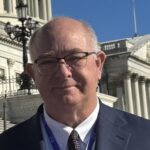
Don Hannaford has spent more than 30 years navigating the often-tricky waters of public policy and public affairs—working with everyone from healthcare giants to not-for-profits to scrappy startups trying to make their mark. At Rural Minds, he works to shift perspectives and move the needle on policy, whether that means changing minds inside an organization, winning over stakeholders, or reaching the public.
Before joining Rural Minds, Don ran the Washington, D.C., office of global PR agency MS&L. Beyond keeping day-to-day operations humming, he built out their health policy practice from scratch, supporting clients focused on patient access and healthcare reform.