
This Veterans Day, Honor Veterans with Better Access to Pain Care

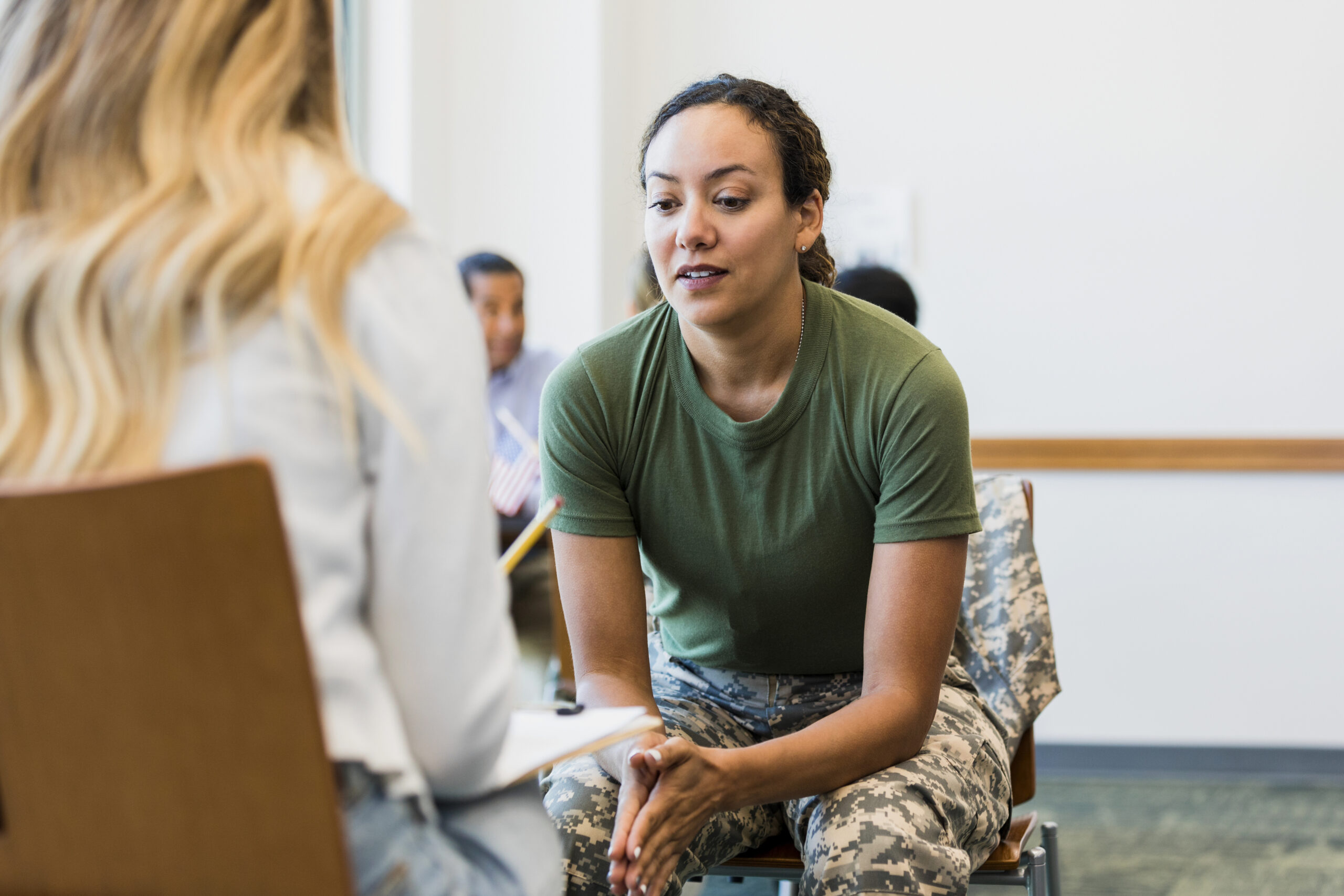
This Veterans Day, we recognize the service, sacrifice, and continued leadership of those who have worn our nation’s uniform. We also recognize that, for many veterans, the effects of service continue long after deployment, shaping their health, daily lives, relationships, and the families who support them.
As CEO of Iraq and Afghanistan Veterans of America, the nation’s leading post-9/11 generation veterans advocacy organization, I have seen these individuals bring extraordinary resilience to every challenge. But resilience should not mean navigating pain, recovery, or a complex healthcare system alone. And no caregiver should have to feel unprepared when a loved one’s pain suddenly changes the rhythm of everyday life.
Acute pain affects many veterans, especially pain related to wartime wounds and training-related injuries. Data shows 65.6% of veterans reported experiencing pain in the previous three months. Behind those numbers are individuals whose pain can affect their ability to work, connect with loved ones, and participate fully in everyday life.
Pain is not always a stand-alone obstacle. Mental health challenges, including depression and anxiety, can make it harder to manage. For some veterans, substance use disorder adds another layer of complexity. This overlap underscores why pain management, mental health care, and substance use treatment should not operate in isolation.
Family and loved ones are central to a veteran’s recovery. They may arrange appointments, manage medications, and monitor symptoms all while balancing work, family responsibilities, and their own well-being. Their experience and insight should be recognized as an essential part of the care journey.
That is why I was honored to join Caregiver Action Network’s Families, Addiction & Mental Health Network for Take Control of Pain: A Veteran and Caregiver Perspective. The conversation reinforced how better pain care begins by listening to both veterans and their caregivers.
There is no one-size-fits-all approach to acute pain care. Veterans deserve meaningful conversations with providers about their circumstances, concerns, health history, and goals. They also deserve access to the full range of safe, appropriate, evidence-informed treatments, including non-opioid pain-management options.
At IAVA, we advocate for opioid-free pain management supported by credible research. Year after year, our members have brought their experiences directly to Capitol Hill, ensuring policy makers understand the challenges veterans face and the importance of expanding safe, effective treatment options.
Advocacy also means helping veterans and caregivers stay informed and prepared to speak up about their care, such as bringing a list of medications, symptoms, and questions to appointments. Whether they are discussing treatments or navigating barriers to a prescribed medication, they deserve tools that help them ask questions, understand their choices, and identify where to turn for support.
The Families, Addiction & Mental Health Network offers resources to help:
- Pain Management Discussion Guide for Veterans: A guide to help veterans and caregivers navigate pain-treatment options and prepare for conversations with their healthcare providers.
- Coordinating Medication Access Throughout the Patient Experience: An explainer on how providers, pharmacies, health plans, and others shape access to prescribed medications, with steps patients can take to raise concerns and explore available assistance.
This Veterans Day and every day, honoring veterans means ensuring they and the families beside them have the information, treatment options, and support they deserve. By listening to their experiences and connecting them to the right pain management options, we can help ensure no veteran or caregiver has to navigate these challenges alone.
Dr. Kyleanne Hunter is CEO of Iraq and Afghanistan Veterans of America, and a dedicated and lifelong servant leader. In this role, she is responsible for strategic direction of IAVA, ensuring that the post-9/11 generation of veterans continues to have a voice in the most pressing issues of our day. A Marine Corps veteran of the wars in both Iraq and Afghanistan, she has been dedicated to inspiring all veterans to ascend to their potential, and ensuring that the policies and practices are there to allow them to do so.